Source Waterproof Pearl BB Cream for Concealing, Sun Protection, and Moisturizing
Compare 30 Waterproof Pearl BB Cream options from verified Chinese manufacturers offering OEM and ODM services. Products feature chemical, herbal, or mineral ingredients with effects like concealing, sun protection, and moisturizing in 60ml cream form.
Key considerations
Products List


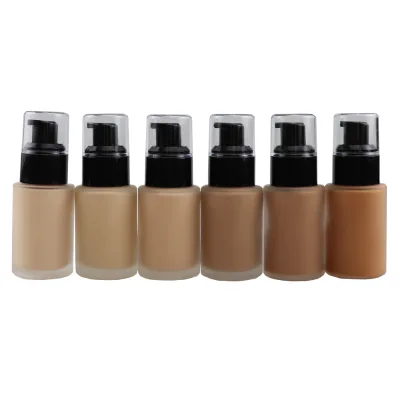
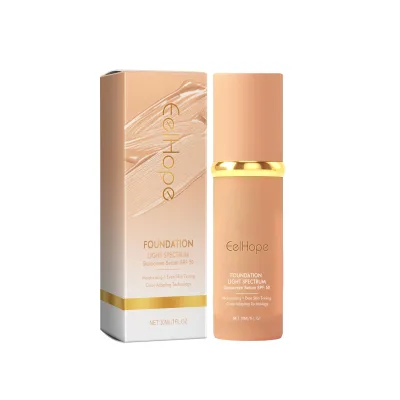
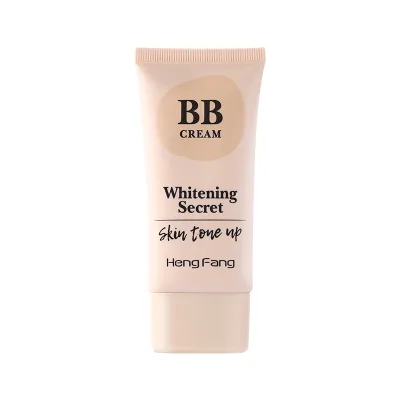
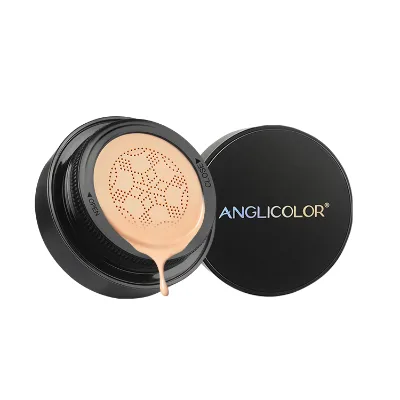
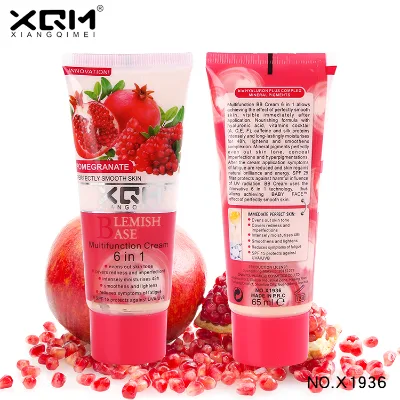


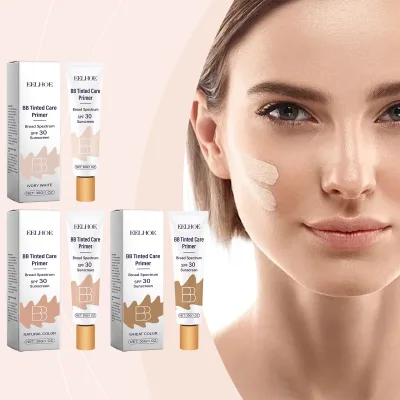


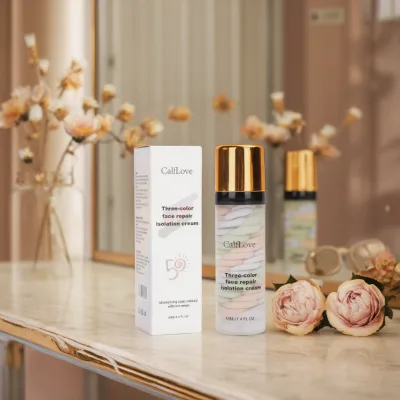




Comprehensive Sourcing Guide
Strategic Sourcing Guide for Waterproof Pearl BB Cream Procurement
The global demand for multifunctional cosmetic products has driven significant innovation in the beauty sector, with waterproof pearl BB creams emerging as a high-priority category for B2B buyers. These products combine the aesthetic appeal of a pearlescent finish with the functional necessity of water resistance, making them ideal for humid climates, active lifestyles, and long-wear requirements. For procurement professionals, navigating this market requires a disciplined approach that balances technical specifications, regulatory compliance, and supply chain reliability. This guide outlines the critical factors for sourcing waterproof pearl BB creams, drawing on verified product attributes and industry standards to ensure a robust procurement strategy.
Technical Specifications and Formulation Architecture
Understanding the technical architecture of a Waterproof Pearl BB Cream is the first step in defining a successful product specification. The core functionality relies on a specific balance of ingredients that provide coverage, hydration, and sun protection without compromising the product's integrity when exposed to moisture. Based on observed market data, the formulation typically utilizes a cream base, which offers a smooth application and a luxurious texture. The primary ingredients often include a blend of chemical and herbal components, alongside mineral filters. This tripartite approach allows manufacturers to achieve a natural finish while ensuring broad-spectrum protection.
Key active ingredients identified in high-performing formulations include Panthenol, Ascorbic Acid, Titanium Dioxide (TiO2), and Coconut Oil. Panthenol serves as a vital moisturizing agent that soothes the skin, while Ascorbic Acid provides antioxidant benefits and aids in brightening. Titanium Dioxide is a critical mineral component that acts as a physical sunscreen filter, reflecting UV rays to provide sun protection. Coconut Oil contributes to the product's emollient properties, ensuring the cream remains flexible and does not crack or cake under stress. The presence of these specific actives suggests a formulation designed for concealing imperfections, moisturizing dry patches, and offering robust sun protection, all of which are essential for a premium BB cream.
Volume and packaging specifications are equally critical for logistics and retail presentation. Standard product volumes observed in this category often center around 60ml per unit, a size that balances consumer value with manufacturing efficiency. The physical dimensions of the packaging must accommodate this volume while ensuring the product remains sealed and protected during transit. Typical outer carton dimensions for bulk shipments are approximately 47cm by 42cm by 47cm, with a standard packing density of 288 pieces per carton. The gross weight of such a carton is typically around 24.5kg. Buyers must verify that the internal packaging, often a hard cardboard box or a specialized tube, aligns with these external dimensions to prevent damage during shipping.
Regulatory Compliance and Certification Verification
In the cosmetics industry, regulatory compliance is not merely a formality but a prerequisite for market access and consumer trust. When sourcing waterproof pearl BB creams, buyers must rigorously verify that suppliers possess the necessary certifications to operate legally in target markets. The most frequently observed certifications for this product category include ISO, GMP (Good Manufacturing Practice), GMPC (Good Manufacturing Practice for Cosmetics), FDA registration, and MSDS (Material Safety Data Sheet) availability. These documents indicate that the manufacturing facility adheres to international quality management systems and safety protocols.
ISO certification ensures that the production process meets standardized quality management requirements, which is vital for consistency across large batches. GMP and GMPC certifications specifically address the hygiene and safety standards required for cosmetic manufacturing, minimizing the risk of contamination. FDA registration is a critical requirement for products intended for the United States market, confirming that the facility and product comply with US Food and Drug Administration regulations. Additionally, an MSDS is essential for safe handling, storage, and transportation, detailing the chemical composition and potential hazards of the ingredients.
Buyers should also scrutinize the specific claims made regarding product safety and efficacy. While the product may be marketed as having whitening, firming, and anti-wrinkle properties, these claims must be supported by the underlying formulation and testing data. The presence of herbal ingredients alongside chemical and mineral filters suggests a formulation that aims to be gentle yet effective. However, buyers must ensure that the supplier can provide evidence that these ingredients are used in concentrations that are safe and compliant with local regulations. The absence of any of these certifications should be treated as a red flag, indicating a potential risk to the supply chain and brand reputation.
Cost Drivers and Economic Considerations
The pricing of waterproof pearl BB creams is influenced by a complex interplay of factors, including raw material costs, manufacturing complexity, and order volume. The observed price range for these products in the market spans from $0.30 to $18.00 per unit, a wide variance that reflects differences in ingredient quality, packaging sophistication, and brand positioning. The lower end of the spectrum typically corresponds to products with basic formulations and standard packaging, while the higher end often includes premium ingredients, advanced technology, and bespoke packaging solutions.
Order volume plays a decisive role in determining the final unit cost. Minimum Order Quantities (MOQ) for this category typically range from 1 to 30,000 units, with a common baseline MOQ of 288 units. This specific MOQ aligns with the standard packing density of 288 pieces per carton, suggesting that suppliers are optimized for this batch size. Buyers who can commit to larger volumes may negotiate more favorable pricing tiers, while those with smaller requirements may face higher per-unit costs. It is crucial for buyers to understand that the MOQ is not just a sales threshold but a reflection of the supplier's production efficiency and cost structure.
Additional cost drivers include the customization of the product. Suppliers that offer ODM (Original Design Manufacturing) and OEM (Original Equipment Manufacturing) services can tailor the formula, packaging, and branding to the buyer's specific needs. However, customization often incurs additional costs, including tooling fees, formulation development charges, and minimum order requirements for custom batches. The choice of shipping method also impacts the total landed cost. Options such as UPS, FedEx, and DHL are available for air freight, while sea freight is an alternative for larger, less time-sensitive orders. Buyers must calculate the total cost of ownership, including shipping, duties, and taxes, rather than focusing solely on the unit price.
Typical Applications and Market Positioning
Waterproof pearl BB creams are designed for a diverse range of applications, catering to consumers who require both aesthetic enhancement and functional protection. The primary use case is as a face makeup primer or foundation that provides a natural, luminous finish. The "pearl" aspect of the product refers to the light-reflecting particles that give the skin a radiant, glowing appearance, making it particularly popular for events, photography, and daily wear where a flawless complexion is desired. The waterproof property ensures that the makeup remains intact in humid conditions, during physical activity, or in environments where sweat and moisture are prevalent.
The target demographic for these products is primarily adult females, with a specific focus on those seeking anti-aging benefits. The formulation often includes features such as anti-wrinkle, firming, and brightening properties, which appeal to consumers concerned with skin aging and pigmentation. The inclusion of whitening and lightening agents addresses the demand for skin tone correction and the reduction of dark spots. Furthermore, the product's ability to control oil and provide a natural finish makes it suitable for various skin types, including oily and combination skin.
In terms of market positioning, waterproof pearl BB creams occupy a unique niche between traditional foundations and skincare products. They offer the coverage of a foundation with the skincare benefits of a moisturizer and sunscreen. This multifunctionality is a key selling point, as it simplifies the beauty routine for consumers who value efficiency. The product's shelf life of up to four years also adds to its value proposition, ensuring that the product remains stable and effective over an extended period. Buyers should consider these application scenarios when marketing the product to their end consumers, emphasizing the convenience and performance benefits.
Supplier Evaluation and Quality Control Protocols
Selecting the right supplier is a critical decision that can determine the success of a procurement project. Buyers should evaluate potential suppliers based on their production capacity, quality control systems, and ability to meet delivery timelines. The observed delivery time for these products is typically 3 to 7 days, which indicates a highly efficient supply chain. However, buyers must verify if this timeline applies to stock items or if it includes the lead time for custom orders. The origin of the products is predominantly China, with specific manufacturing hubs in Guangdong, a region known for its robust cosmetics industry.
Quality control is paramount in the cosmetics sector. Buyers should implement a rigorous QC protocol that includes pre-production sampling, in-process inspections, and final product testing. The supplier should be able to provide batch-specific test results that verify the product's compliance with the stated specifications, including the active ingredient concentrations and the waterproof performance. The presence of certifications like ISO and GMP suggests that the supplier has established quality management systems, but buyers should not rely solely on these documents. Instead, they should request third-party test reports and conduct their own independent testing to ensure product consistency.
When evaluating suppliers, buyers should also assess their flexibility and responsiveness. The ability to offer customization, such as adjusting the formula or packaging, is a valuable asset. Suppliers that offer ODM and OEM services can help buyers differentiate their products in a crowded market. Additionally, the supplier's logistics capabilities, including their experience with shipping via UPS, FedEx, and DHL, should be evaluated to ensure timely and secure delivery. A reliable supplier will have a track record of meeting deadlines and maintaining high-quality standards, which is essential for building a long-term partnership.
Long-Term Procurement and Supply Chain Resilience
Sourcing waterproof pearl BB creams is not just a one-time transaction but a strategic initiative that requires long-term planning. Buyers should focus on building resilient supply chains that can withstand market fluctuations and disruptions. This involves diversifying suppliers, maintaining safety stock, and establishing clear communication channels with manufacturers. The observed shelf life of four years provides a buffer for inventory management, allowing buyers to stock up during periods of low demand without worrying about product degradation.
Long-term procurement also involves staying informed about regulatory changes and market trends. The cosmetics industry is subject to frequent updates in safety regulations and ingredient restrictions. Buyers must ensure that their suppliers are proactive in adapting to these changes to avoid supply interruptions. Additionally, the demand for natural and herbal ingredients is growing, and suppliers who can offer formulations that align with these trends will have a competitive advantage.
Finally, buyers should consider the environmental impact of their procurement decisions. Sustainable packaging and eco-friendly ingredients are becoming increasingly important to consumers. Suppliers that can offer recyclable packaging or biodegradable formulas can help buyers meet their sustainability goals. By focusing on these long-term considerations, buyers can build a robust and future-proof supply chain that supports their business growth and brand reputation.
FAQs
What certifications do Waterproof Pearl BB Cream products typically have?
Products typically hold ISO, GMP, GMPC, FDA, and MSDS certifications. These documents verify that manufacturing facilities adhere to international quality management and safety protocols required for cosmetic production and market access.
Which active ingredients are commonly found in these formulations?
Common active ingredients include Panthenol, Ascorbic Acid, Titanium Dioxide, and Coconut Oil. These components provide moisturizing, antioxidant, sun protection, and emollient properties essential for a high-performance cream base.
How is the product volume and packaging structured for bulk orders?
Standard units are 60ml per piece packed in hard cardboard boxes. Bulk shipments typically use cartons measuring 47cm by 42cm by 47cm, containing 288 pieces with a gross weight of 24.5kg per carton.
Can suppliers offer customization services for this product category?
Yes, suppliers offer ODM and OEM customization services. Buyers can request tailored formulas, packaging designs, and branding to meet specific market requirements while maintaining the core waterproof and sunscreen functionality.
What is the typical delivery time for these cosmetic products?
The normal delivery time is 3 to 7 days for standard orders. This timeline reflects an efficient supply chain, though custom orders may require additional time for formulation and packaging development.
Which target demographic is this product primarily designed for?
The product is primarily designed for adult females seeking anti-aging and skin correction benefits. Features like whitening, firming, and anti-wrinkle properties address specific consumer needs for brightening and pigmentation correction.